The Qim Center
To ensure a high scientific output from MAX IV, the Qim center aims at developing and using the most relevant tools for data analysis.
We are an interdisciplinary research and development hub dedicated to advancing quantitative imaging and large scale 3D image analysis. The Center bridges imaging science, artificial intelligence, and high performance computing to enable robust, scalable, and reproducible research.
Our work focuses on transforming complex imaging data into accessible, structured, and actionable knowledge. We specialize in 3D imaging modalities such as µCT and other advanced volumetric techniques, developing tools and infrastructure that support both imaging researchers and AI specialists. By combining domain expertise with modern computational methods, we help researchers move from raw data to validated insights efficiently and transparently.
A core mission of the Qim Center is to make research more FAIR: Findable, Accessible, Interoperable, and Reusable. We design our platforms, data standards, and workflows to promote long term usability and reproducibility. This includes structured data management, clear metadata practices, version controlled pipelines, and well documented computational environments.
We are also strongly committed to Open Source principles. The tools and libraries we develop are released openly whenever possible, encouraging collaboration, transparency, and community driven improvement. By building in the open, we aim to lower technical barriers, accelerate scientific progress, and ensure that publicly funded research delivers lasting value.
At Qim, we believe that high quality research infrastructure is not just technical support. It is a foundation for better, more transparent, and more impactful science.
Qim Lead
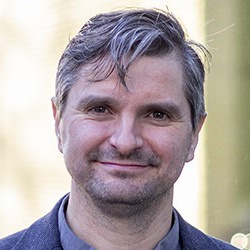
Anders Bjorholm Dahl
DTU Compute
Anders is the Head of the Qim Center and the Head of the Section for Visual Computing at DTU Compute since 2015. He finished his PhD at DTU in 2009 and has been at DTU since. His research focuses on a variety of things related to image analysis, where his main focus has been on quantification of 3D volumetric data.
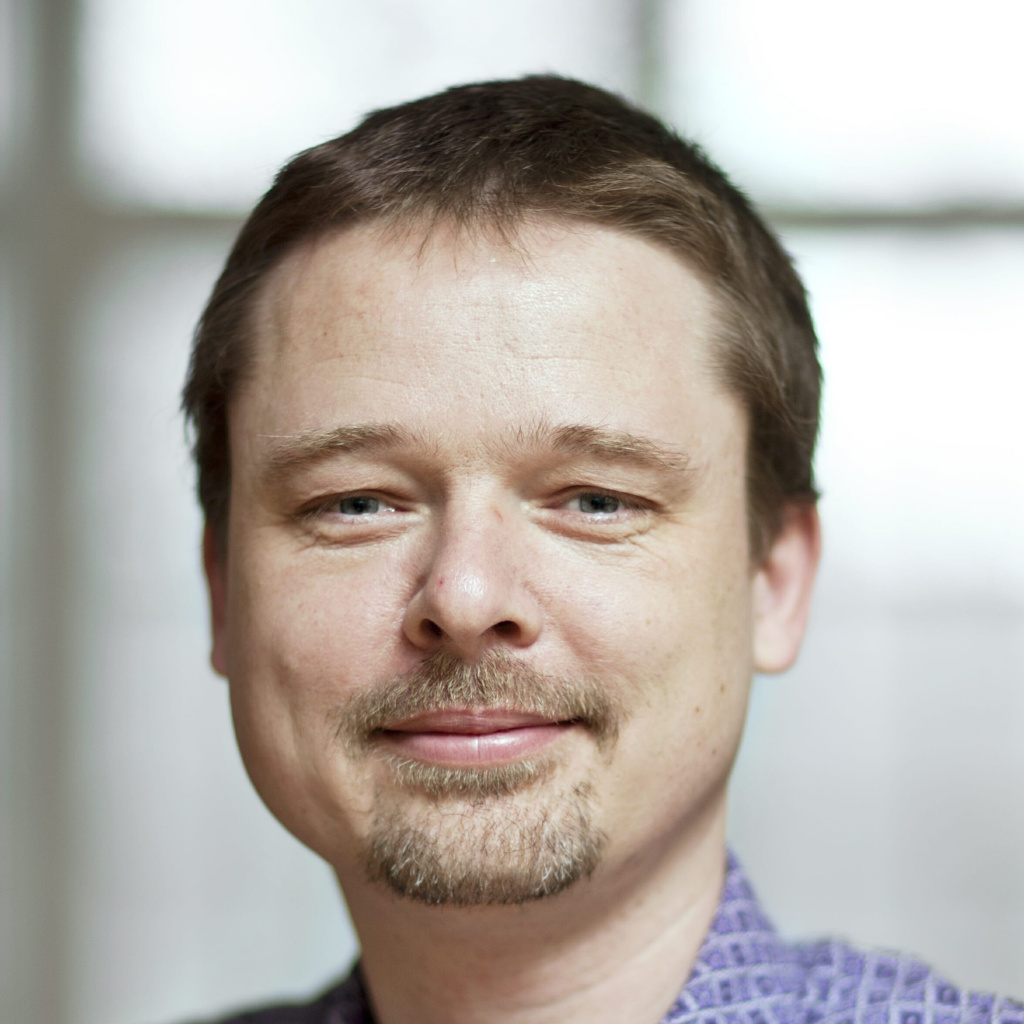
Jon Sporring
University of Copenhagen
Jon Sporring is a full professor at DIKU, University of Copenhagen, where he is the head of the Image Analysis, Computational Modelling, and Geometry Section. He earned his Ph.D. in 1998, including research at IBM Research Center, and has held academic and industry roles, including postdoc at Foundation for Research and Technology - Hellas, visiting professor at McGill University, and co-founder of DigiCorpus ApS.
Staff

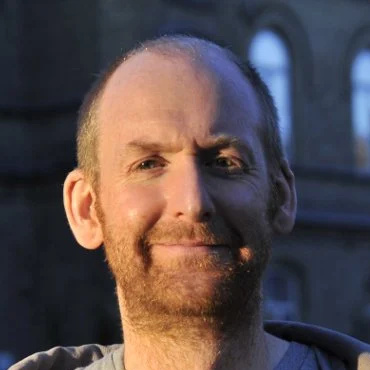
Felipe Delestro
DTU Compute
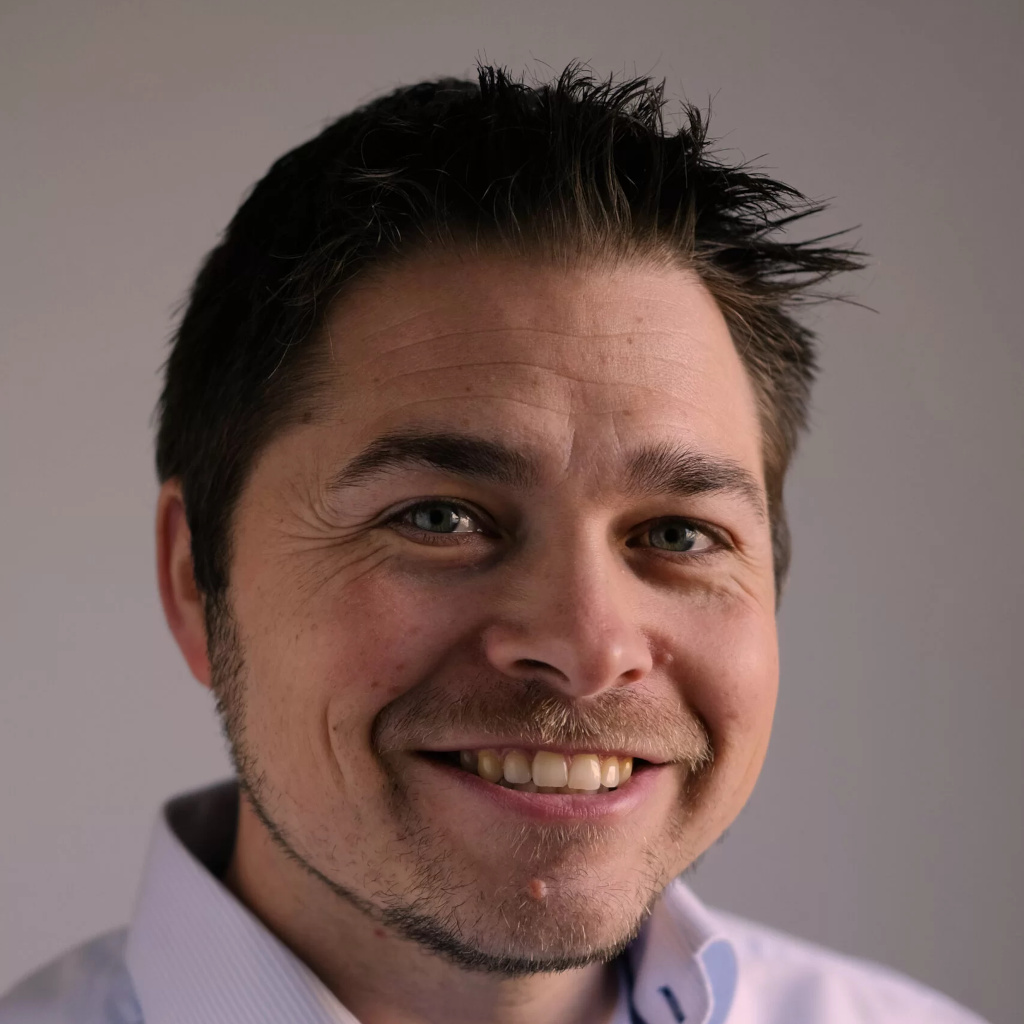
Jakob Sauer Jørgensen
DTU Compute
Jakob is the Scientific Director of the Qim Center and Associate Professor at DTU Compute. His background is in mathematics, algorithms and software for tomographic reconstruction, especially X-ray and neutron CT. He is one of the founders of the CIL (Core Imaging Library) and CUQIpy python imaging libraries.
Development Team
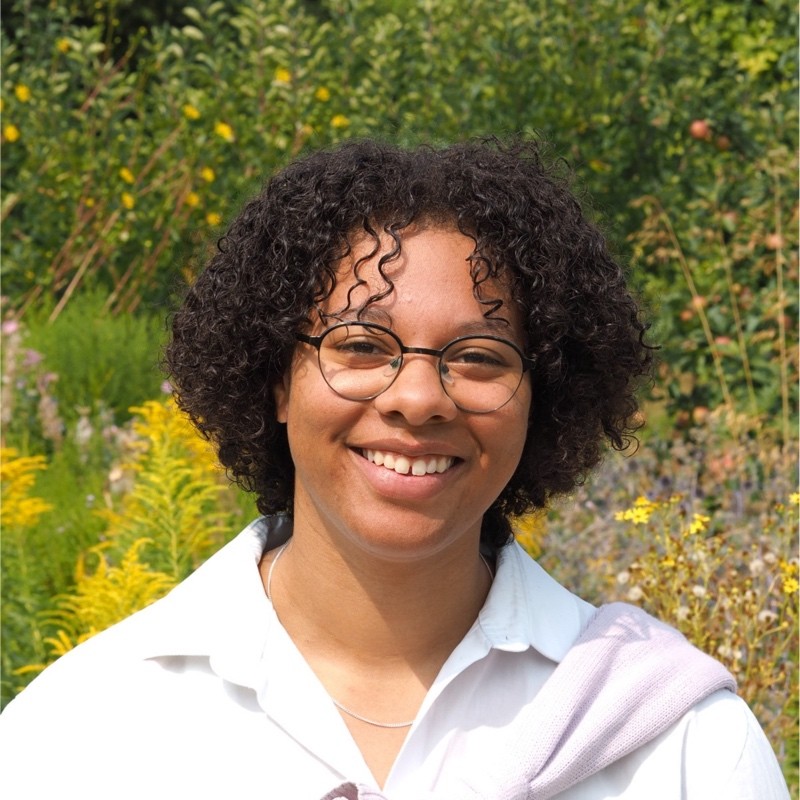
Akira-Miranda Adeyomi Adeniran-Lowe
DTU Compute
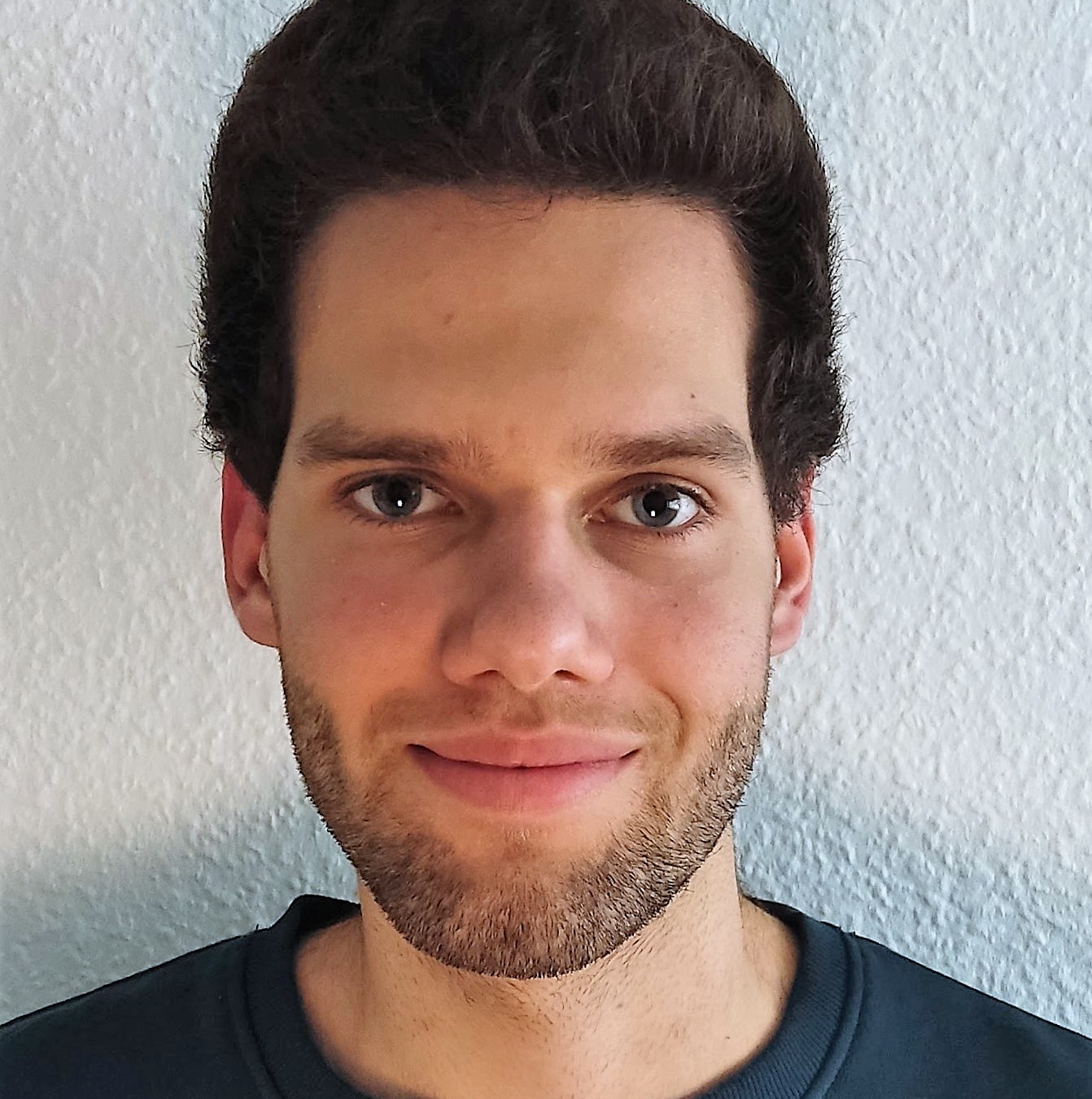
András Kovács
DTU Compute
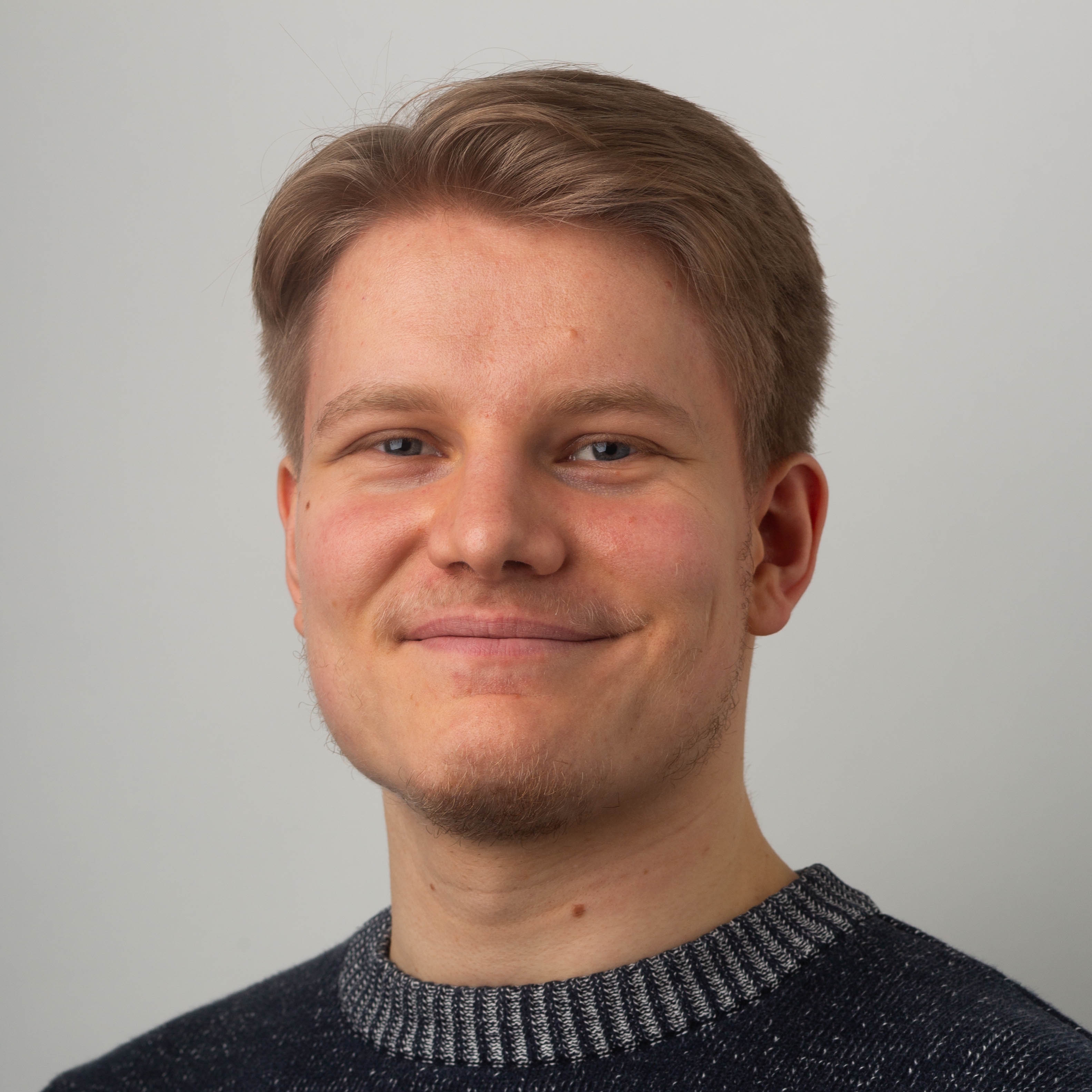
Christian Lundgaard Bjerregaard
DTU Compute
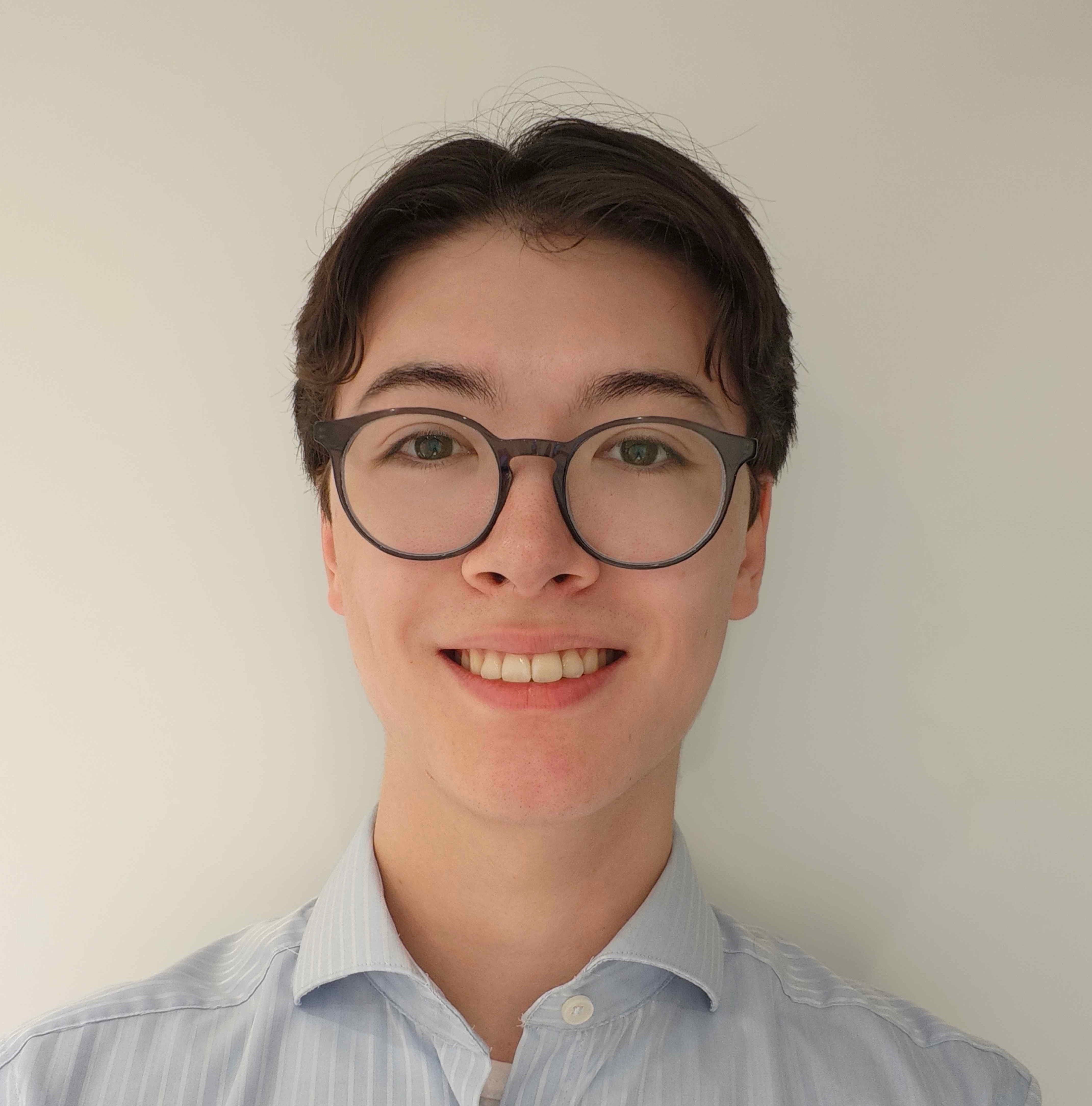
David Wang Johansen
DTU Compute
Jeppe Klitgaard
DTU Compute
Sotirios Touliopoulos
DTU Compute
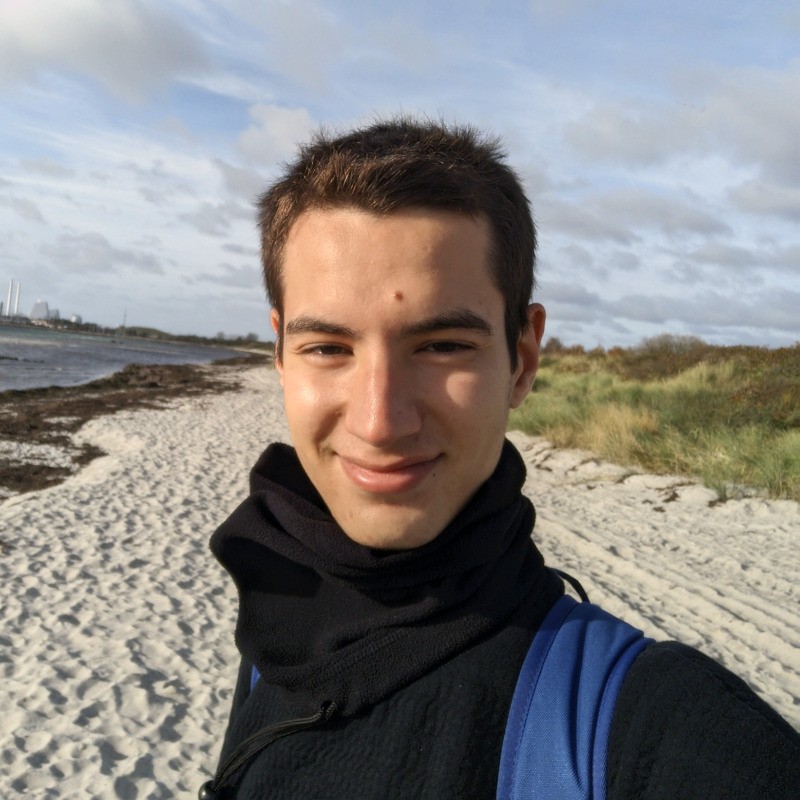
Víctor Cabré i Guerrero
DTU Compute
Víctor is a Master's student in Autonomous Systems at DTU. At Qim he works as a software developer, building and maintaining the tools researchers use to analyze their data. His interests are in software development, artificial intelligence and high-performance computing.
Working Group
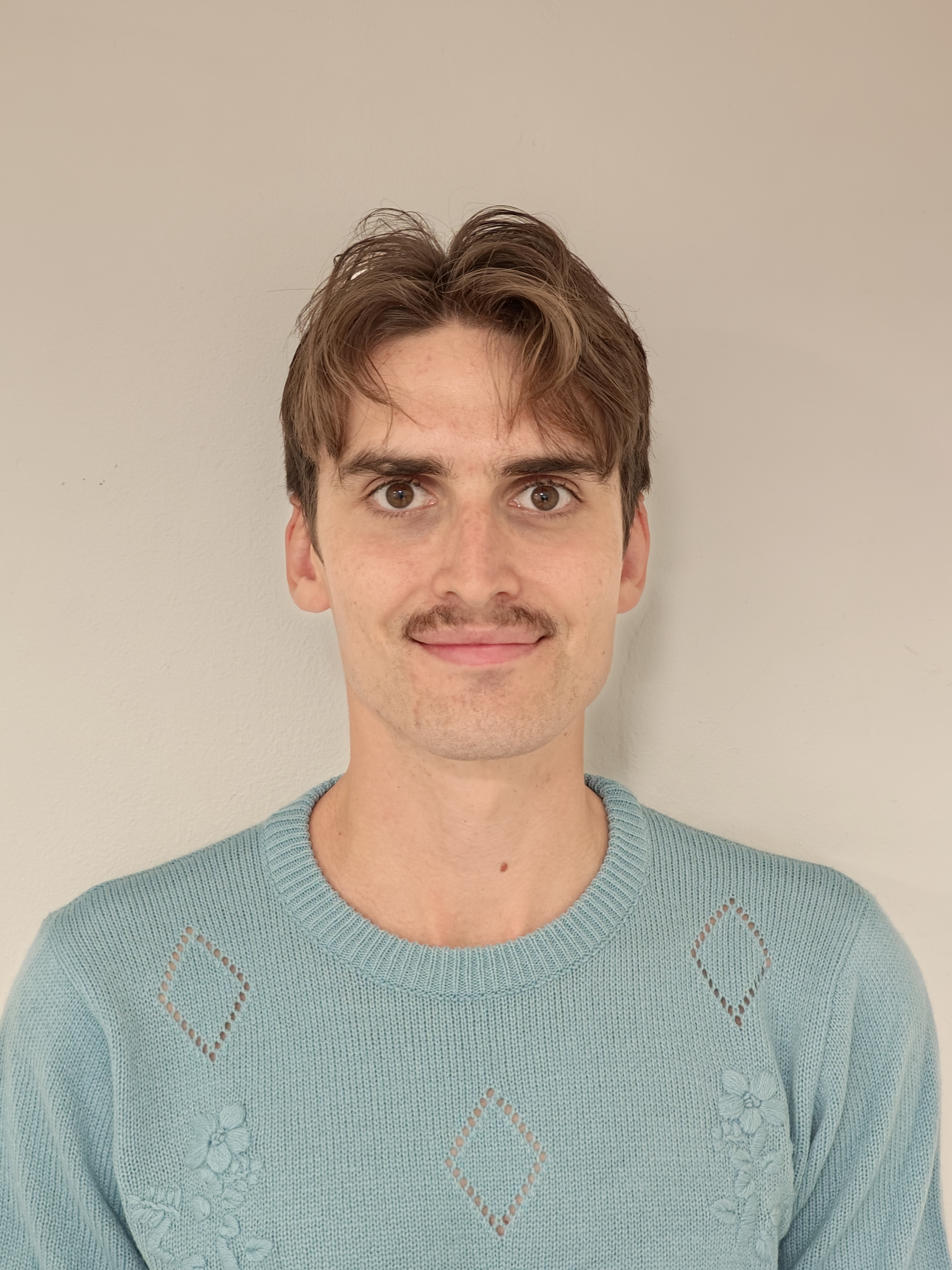
Christian Deding Nielsen
DTU Compute
Christian is a Research Assistant at the Section for Statistics and Data Analysis at DTU Compute. His work lies in CT image reconstruction, image analysis and pipelines.
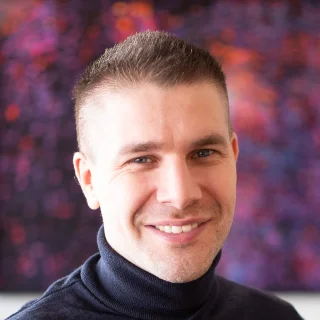
Emanuel Larsson
Faculty of Medicine, Lund University, Lund, Sweden
Emanuel works as a Researcher at the Department of Experimental Medical Science at the Faculty of Medicine, Lund University and as a LINXS Co-Director responsible for the focus area of Life Science. He also works as a Lund University Node Coordinator for InfraVis – a Swedish National Research Infrastructure for Data Visualization, and as Coordinator for CIPA – a cross faculty infrastructure for image processing and analysis at Lund University. His work includes everything from experimental planning, image acquisition, reconstruction, processing, analysis, and visualization of X-ray and Neutron tomography datasets. Emanuel is also very dedicated to finding new pedagogical ways of teaching tomography and image reconstruction.
Endri Lacaj
LTH - Solid Mechanics
Endri is a postdoc in the Department of Solid Mechanics at the Faculty of Engineering (LTH), Lund University. His work focuses on the characterization of materials through in-situ loading, 3D image analysis and Digital Volume Correlation. Part of his mission also involves supporting the use of tomography at MAXIV.
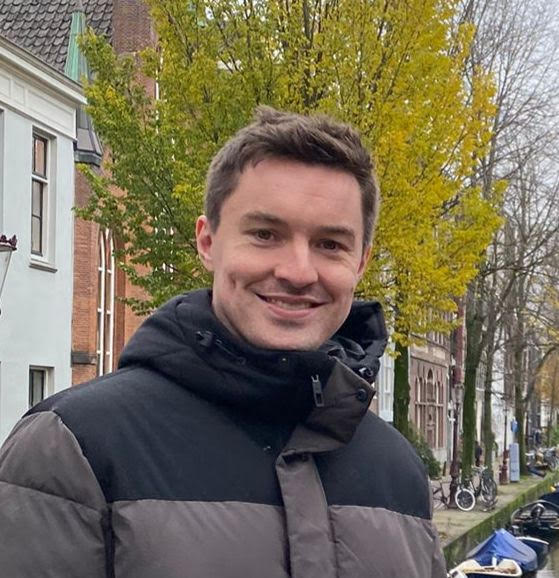
Eoin Walsh
LTH, Lund University
As a postdoc in the Department of Solid Mechanics at LTH in Lund University, Eoin’s research focuses on the segmentation of objects of interest from 3-D XCT volumes. Such objects include paper fibres, foam bubbles, and porous materials. Eoin’s previous experience includes postdoctoral research at Met Éireann, Ireland’s meteorological service, co-founding a start-up, and a PhD in synthetic data and deep learning from the University of Limerick in Ireland.

François Lauze
DIKU
Mathematical Image Analysis, including variational and partial differential equations methods, with applications to image inpainting (still and video), motion estimation in image sequences, segmentation, video format conversion. Differential and Riemannian geometric methods for shape analysis applied to anatomical structures extracted from X-ray and other medical imaging modalities.
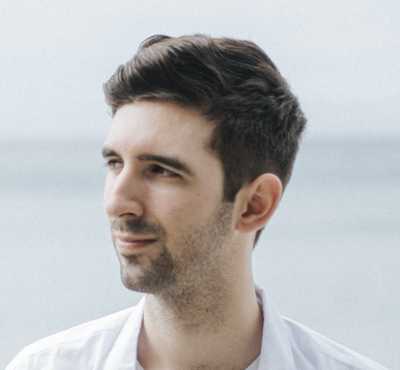
Juan Miguel Valverde
DTU Compute
Miguel is a postdoc at the Section for Visual Computing at DTU Compute. He finished his PhD in 2022 in A.I. Virtanen Institute at the University of Eastern Finland (Kuopio). His research is at the intersection between deep learning, image segmentation, and topology. More recently, his focus has widen to AIS, irregular time-series and remote sensing data.
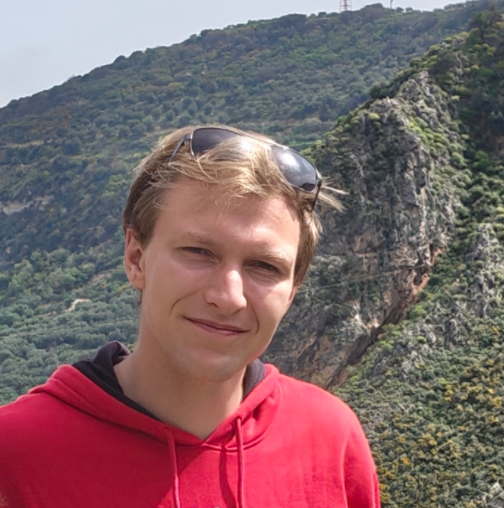
Martin Sæbye Carøe
DTU Compute
Martin is a PhD student at the Section for Visual Computing at DTU Compute. His research topic is in tomographic reconstruction techniques for X-ray diffraction.
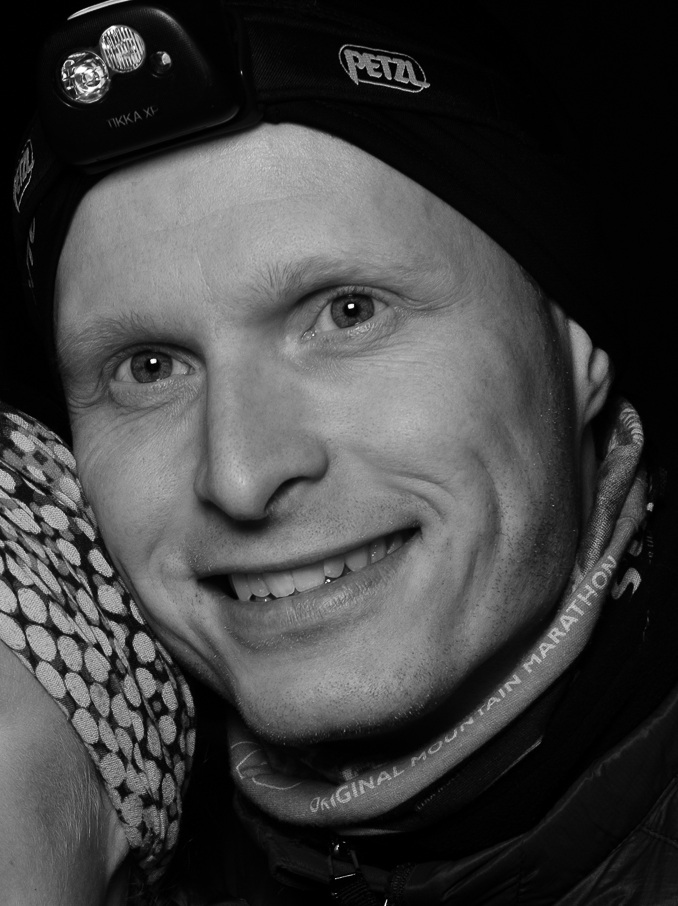
H. Martin Kjer
DTU Compute

Rasmus Juul Pedersen
DTU Compute
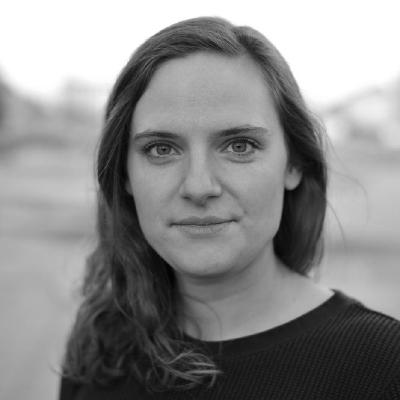
Sophia Wiinberg Bardenfleth
DTU Compute

Thorbjørn Erik Køppen Christensen
DanMAX at MAX IV and DTU Compute
Thorbjørn is a beamline scientist at the DanMAX beamline at the MAX IV synchrotron. In his own research, Thorbjørn studies biomineralization in a wide variety of systems. Furthermore, Thorbjørn develops pipelines for analyzing multi TiB datasets for both imaging and diffraction.
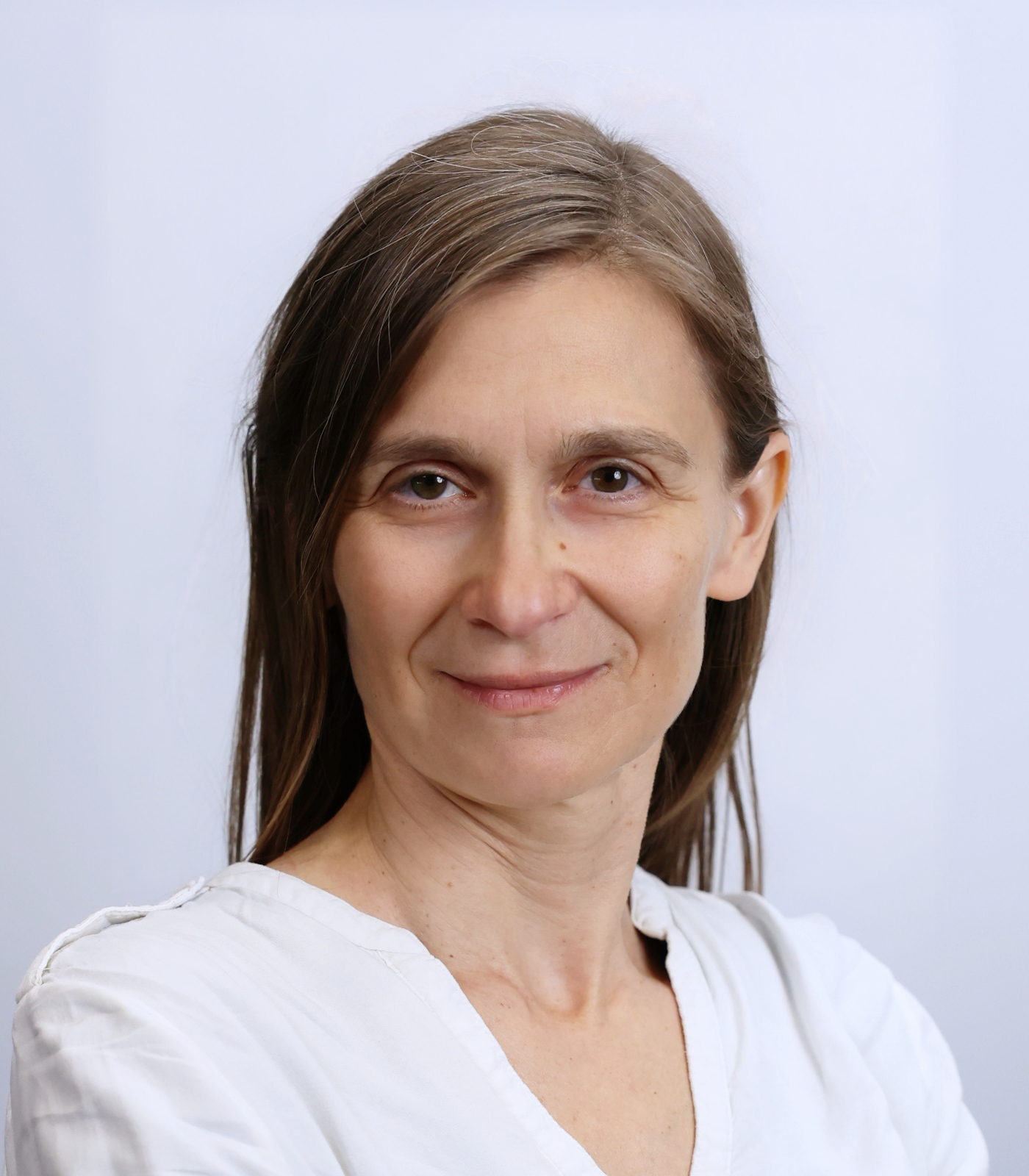
Vedrana Andersen Dahl
DTU Compute
Vedrana develops methods for image analysis and geometry processing, focusing on geometric models for volumetric data analysis. Her work includes volumetric and tomographic segmentation, and she has developed tools with applications in materials science, industrial inspection, and biomedicine.
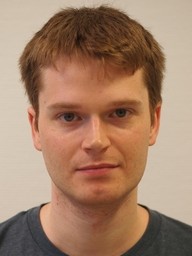
William Michael Laprade
DTU Compute
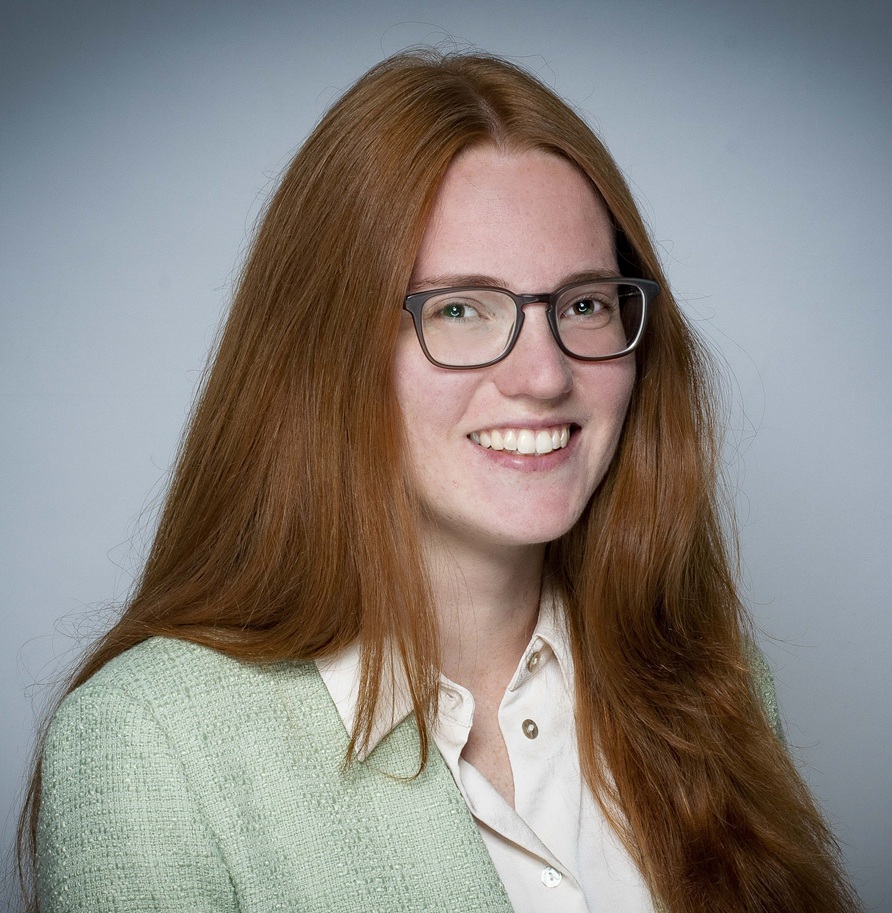
Julia Mertesdorf
DBI-Infra, IACF
Julia is a scientific programmer and bioimage analyst working at the image analysis core facility (IACF) in Copenhagen, which is part of the Danish BioImaging Infrastructure (DBI-Infra). At IACF, she supports researchers and life scientists in analyzing their bioimage data through tailored software solutions, workshops, and consultations. In collaboration with the IMAGE section of DIKU and the Qim Center, Julia works on making bioimage processing tools available to life scientists in a user-friendly way. She holds a master’s degree in computer science from the University of Freiburg, specializing on unsupervised deep learning methods for image and video analysis.