Center for Quantification of Imaging Data from MAX IV
The Qim Center advances quantitative imaging and large scale 3D image analysis by combining imaging science, AI, and high performance computing. We build open, FAIR research infrastructure that makes complex imaging data findable, accessible, interoperable, and reusable, enabling transparent, reproducible, and impactful science.
Web platform
Online tools for visualization and analysis of imaging data and access to the HPC resources of DTU Compute
Method development
Developing new algorithms for quantitative imaging, with focus on 3D microscopy and tomography
Datasets
Repository of volumetric data from imaging experiments, openly available for method development and benchmarking
The Qim Center is here to help with your research
We offer tools and resources to support imaging data analysis, method development, and reproducible research workflows.
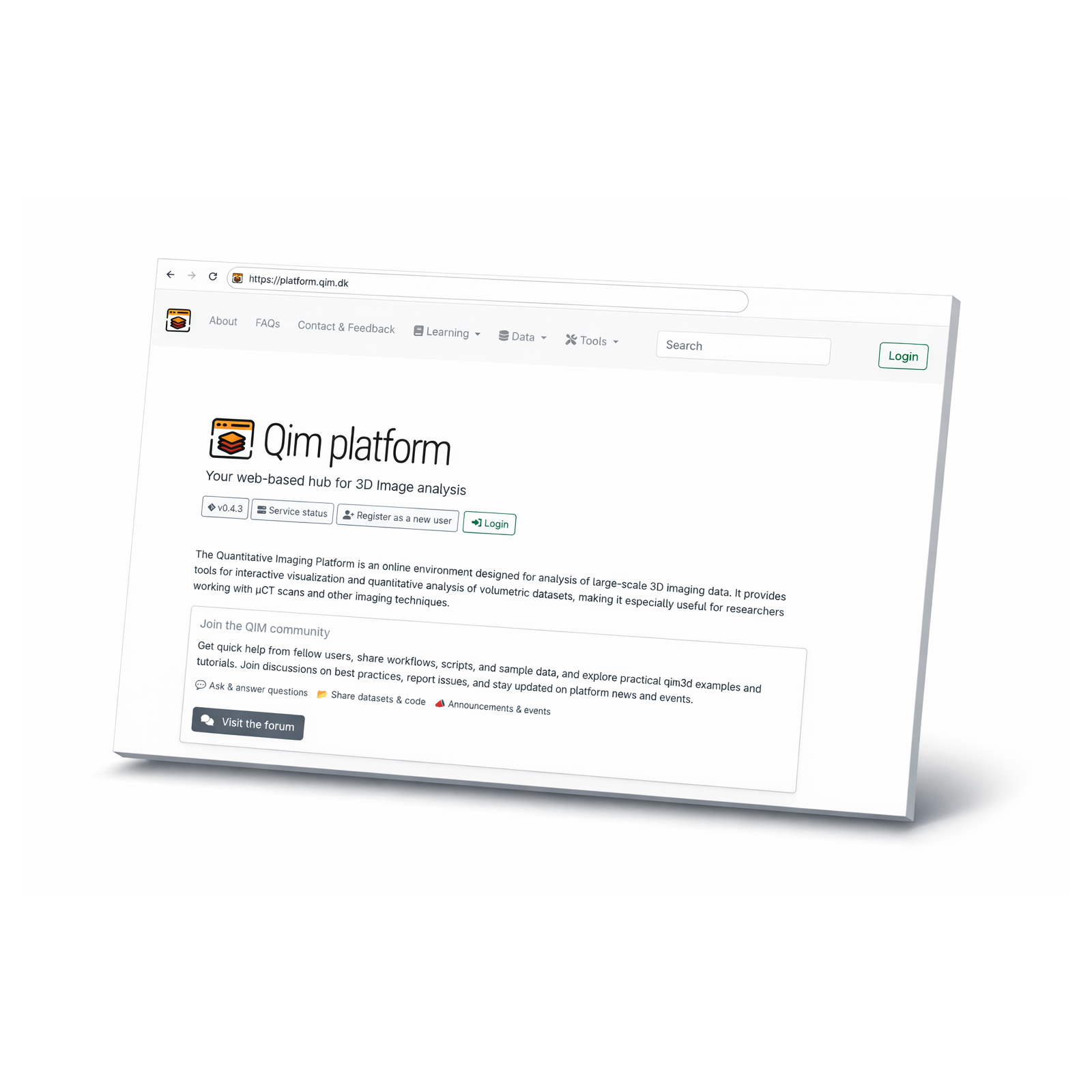
Web interface
Access from anywhere
Web platform for imaging data
Our online platform allows visualization, analysis, and sharing of imaging datasets with integrated access to HPC resources at DTU Compute. Users can explore, annotate, and export volumetric data easily, while collaborating with colleagues in a fully secure environment. The platform supports multiple file formats and provides interactive visualization tools for 3D microscopy and tomography datasets.
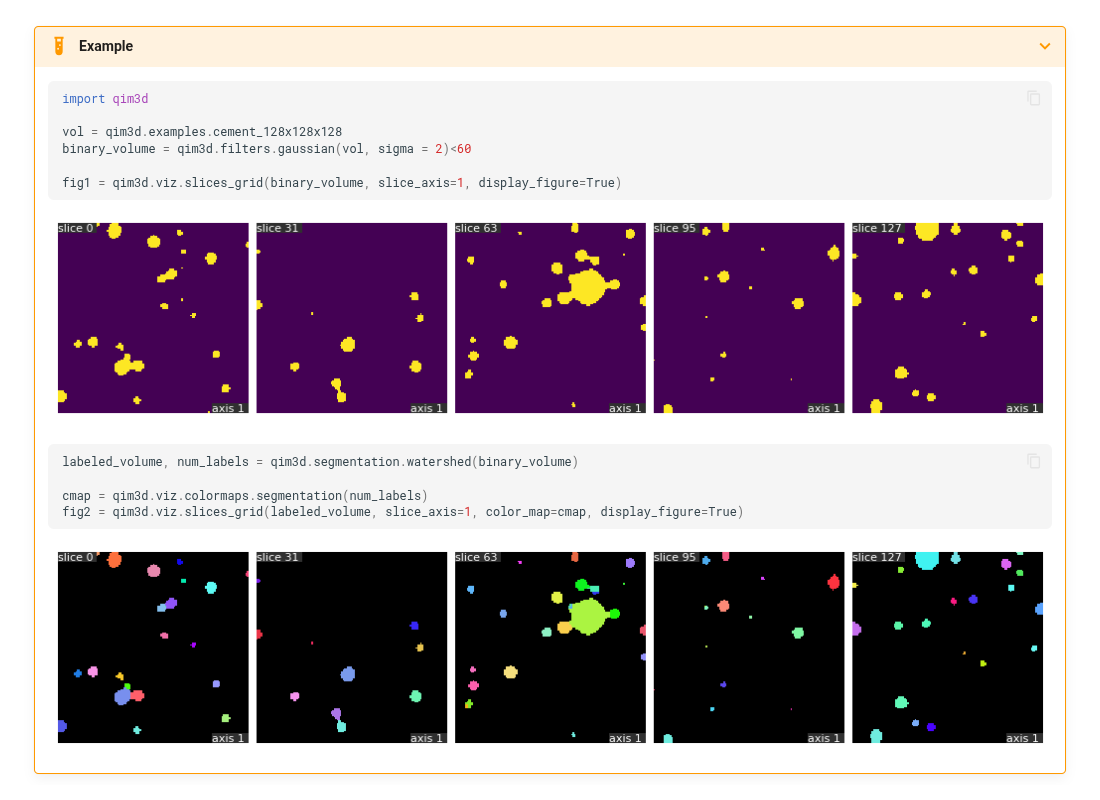
Python tools
Open-source library
The qim3d Python library
A library for quantitative 3D image analysis, supporting method development and reproducible workflows. It offers modules for segmentation, filtering, and feature extraction of volumetric datasets. Extensive documentation, examples, and tutorials make it easy to integrate into research pipelines and combine with other scientific Python packages for advanced data analysis.
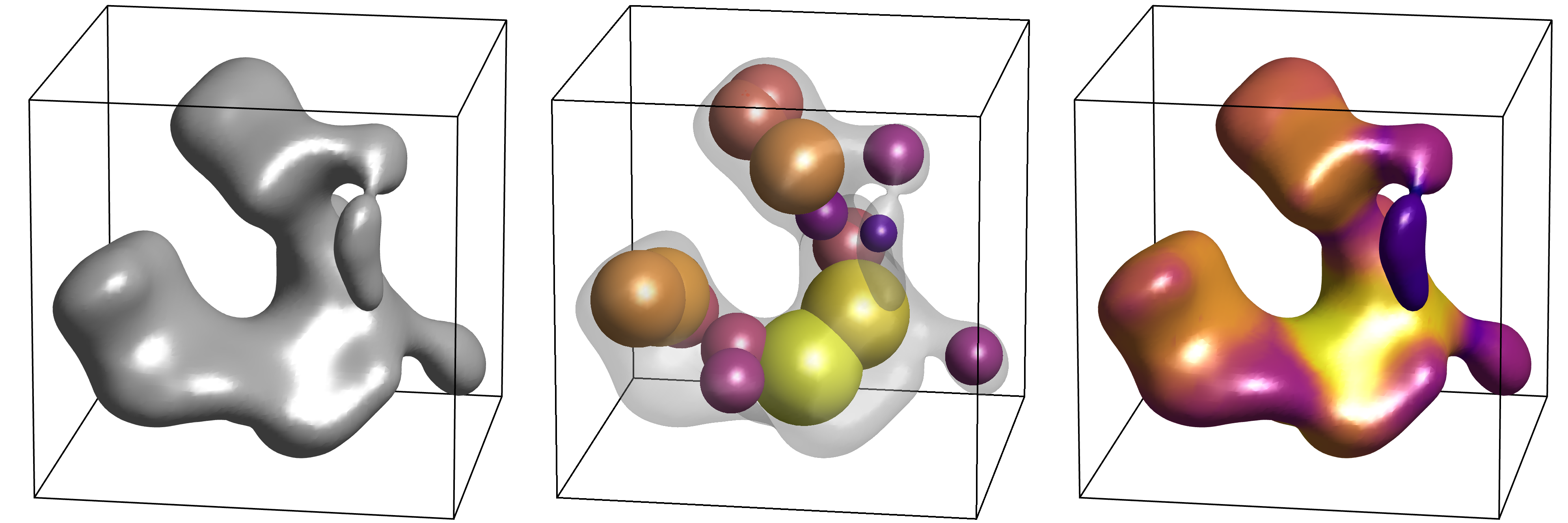
Custom algorithms
Method development
Algorithm development for research
Develop new quantitative imaging algorithms with a focus on 3D microscopy, tomography, and volumetric data analysis. Our environment allows testing and benchmarking algorithms efficiently, including GPU acceleration and batch processing. Researchers can experiment with new approaches and validate results with standardized datasets, enabling reproducible and high-quality outcomes.
The Qim Center is a partnership of